
Pancreatic cancer is a growing disease in Singapore
Death caused by pancreatic cancer is rated #6 and #7 in men and women respectively.
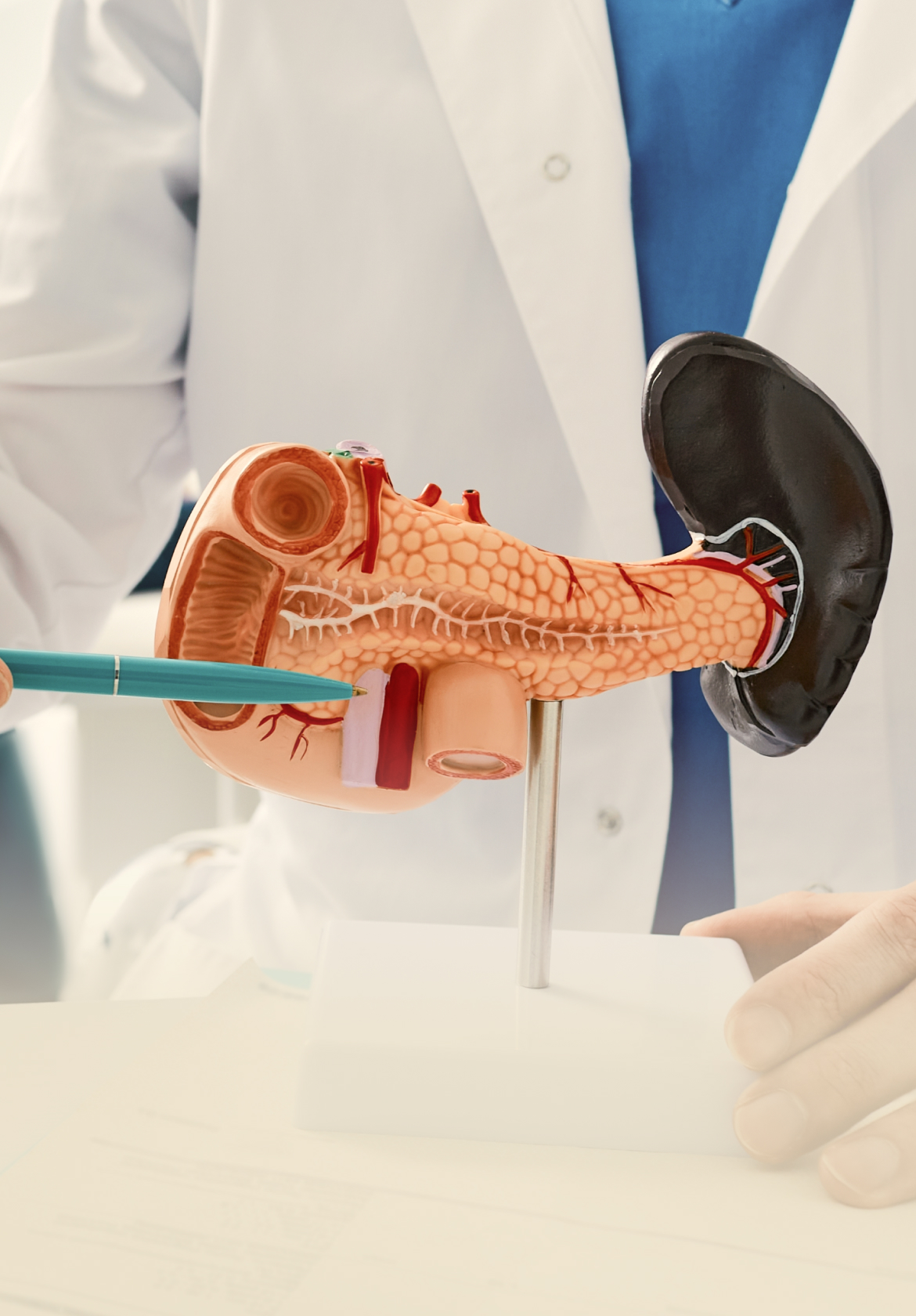
Pancreatic cancer is a growing disease in Singapore
Death caused by pancreatic cancer is rated #6 and #7 in men and women respectively.
EXPERIENCED, DEDICATED & TRUSTED PANCREAS SPECIALIST
20+ Years of Experience
Founding Head of Division of Hepatobiliary, Pancreatic & Gallbladder Surgery, NUHS
Minimally Invasive Techniques
Patient-Centered Care
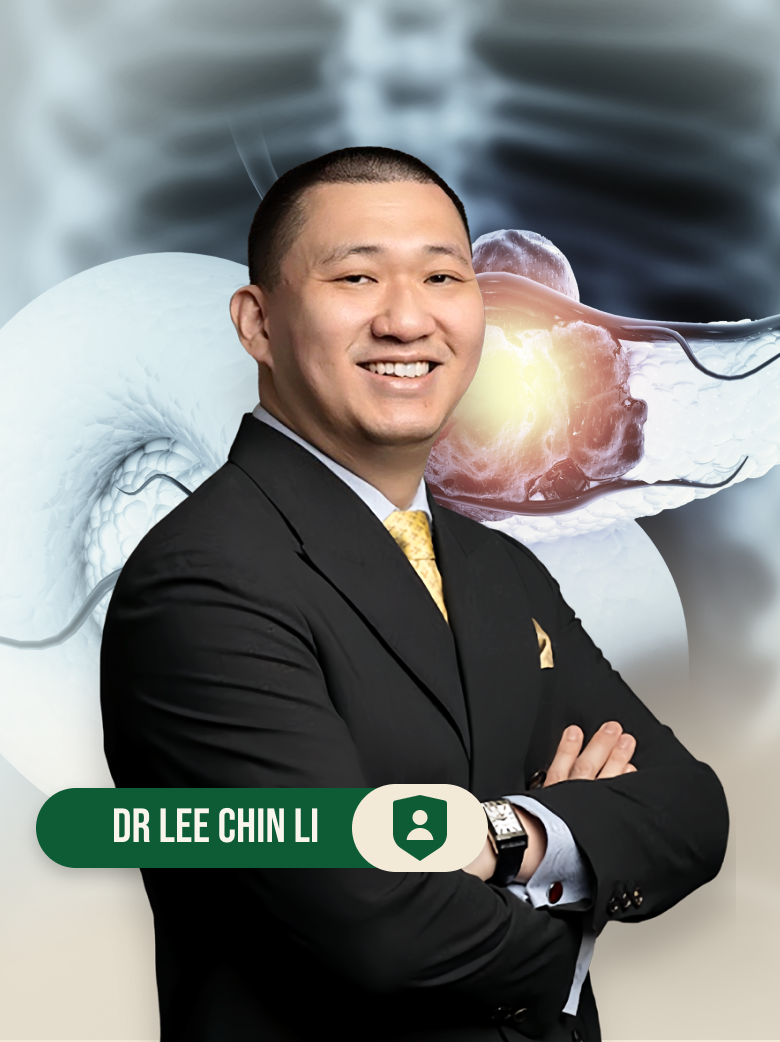
EXPERIENCED, DEDICATED & TRUSTED PANCREAS SPECIALIST
20+ Years of Experience
Founding Head of Division of Hepatobiliary, Pancreatic & Gallbladder Surgery, NUHS
Minimally Invasive Techniques
Patient-Centered Care
When detected early, pancreatic Cancer is usually small, localised, and easier to treat.
Survival rates are better too when detected early. Get yourself checked now!
When detected early, pancreatic Cancer is usually small, localised, and easier to treat.
Survival rates are better too when detected early. Get yourself checked now!
Pancreatic cancer, also known as pancreatic carcinoma, is a malignant tumour that originates in the cells of the pancreas. The pancreas is a vital organ located behind the stomach, and it plays a crucial role in digestion and blood sugar regulation.
Pancreatic cancer is a highly aggressive and often deadly disease because it tends to be diagnosed at an advanced stage when it has already spread to other parts of the body.
Pancreatic cancer is challenging to treat, and the prognosis is often poor, particularly when diagnosed at an advanced stage.
Risk Factors
Age
Adults over the age of 65
Genetics
Family history of cancer, pancreatitis, Lynch syndrome and Peutz-Jeghers syndrome
Health conditions
Patients with diabetes, obesity and a history of pancreatitis
Lifestyles
Tobacco and alcohol consumption
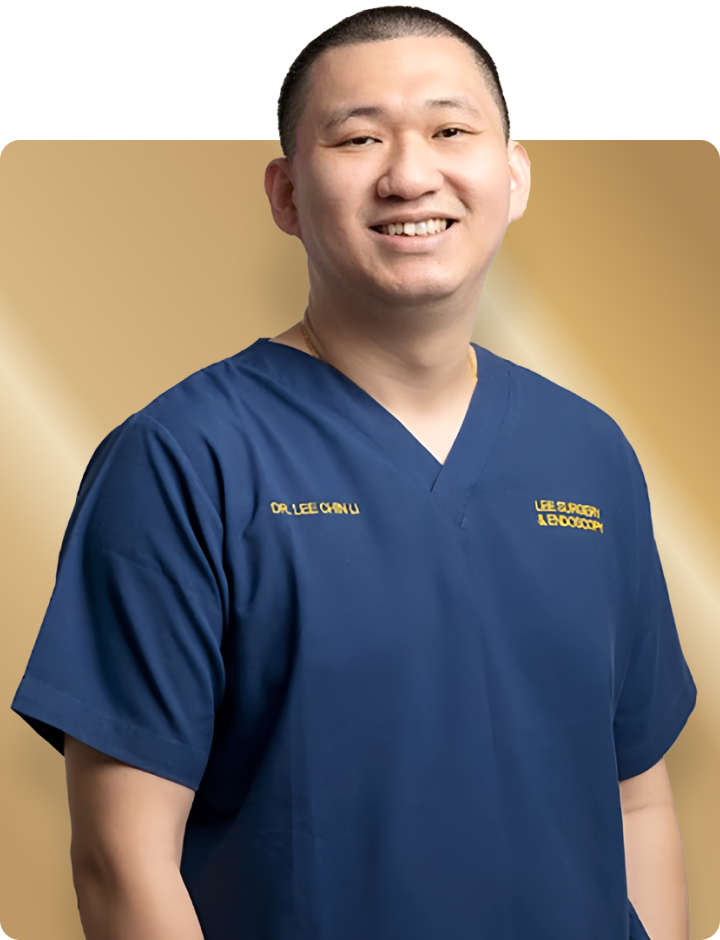
Dr Lee Chin Li
Director, Consultant & General Surgeon
MB BCh BAO, LRCP & SI (NUI), IMRCS (Ire), MMED (SURG), FRCS (Ed)
Spoken languages
English | Mandarin | Bahasa/Melayu | Hokkien | Cantonese
With many years of experience under his belt, Dr Lee specialises in liver and pancreatic cancer surgery. He is also skilled in performing minimally invasive (keyhole) surgeries for gallbladder, appendix and colon. Dr Lee is described as many to be empathetic and pleasant and constantly seeks to provide the best quality of care to his patients.
Dr Lee was the founding Head of Division of Hepatobiliary & Pancreatic Surgery and Consultant General Surgeon, Juronghealth Campus, National University Health System (NUHS). He was instrumental in building up the unit to provide comprehensive general surgical and complex Hepato-Pancreato-Biliary services. He was also a Visiting Consultant at the National University Hospital (NUH).
20+ Years of Experience
Skilled in Pancreatic Procedures
Founding Head of Division of Hepatobiliary, Pancreatic & Gallbladder Surgery, NUHS
Early intervention is essential to get the best results. Consult Dr Lee today!
Step 1
Schedule a consultation
Step 2
Review needs and prescribe an appropriate procedure
Step 3
Recovery and monitoring of post-operation condition
Early intervention is essential to get the best results. Consult Dr Lee today!
Step 1
Schedule a consultation
Step 2
Review needs and prescribe an appropriate procedure
Step 3
Recovery and monitoring of post-operation condition
Treatment options for pancreatic Cancer
The choice of treatment for pancreatic cancer depends on several factors, including the stage of the cancer, the location of the tumour, the patient’s overall health, and individual preferences.
Pancreatic cancer treatment options may include:
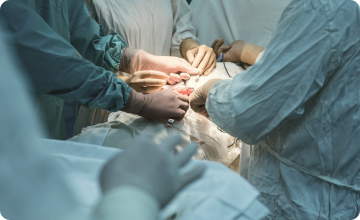
SURGERY
Surgical removal of the tumour is the most effective treatment for pancreatic cancer, especially in its early stages.
The type of surgery depends on the tumour’s location and stage and may include the Whipple procedure (pancreaticoduodenectomy) to remove the head of the pancreas, part of the small intestine, gallbladder, and part of the bile duct; distal pancreatectomy to remove the tail of the pancreas; or total pancreatectomy in which the entire pancreas is removed.
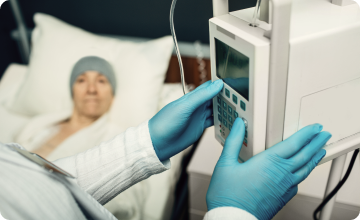
CHEMOTHERAPY
Chemotherapy is often used in combination with surgery or as the primary treatment for advanced or metastatic pancreatic cancer.
Chemotherapy drugs are used to kill cancer cells or slow their growth
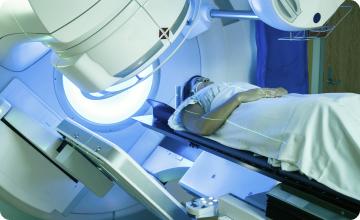
RADIATION THERAPY
This treatment uses high-energy X-rays or other particles to target and destroy cancer cells or shrink tumours.
It may be used in combination with surgery or as palliative care to relieve symptoms.
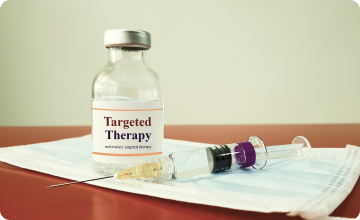
TARGETED THERAPY
Targeted therapies are drugs that specifically target certain molecules involved in the growth and spread of cancer cells.
They can be used in combination with chemotherapy for some types of pancreatic cancer.

IMMUNO THERAPY
Immunotherapy drugs stimulate the immune system to recognize and attack cancer cells.
While not as commonly used in pancreatic cancer as in some other cancers, research in this area continues.

PALLIATIVE CARE
Palliative care focuses on improving the quality of life for individuals with advanced pancreatic cancer.
It can help manage symptoms, pain, and provide emotional and psychological support.
Symptoms of pancreatic Cancer
Pancreatic cancer is often referred to as a “silent” disease because it tends to be asymptomatic in its early stages. Many of the symptoms do not become apparent until the cancer has reached an advanced stage.
Common symptoms of pancreatic cancer can include:
Jaundice
Unexplained Weight Loss
Abdominal Pain
Jaundice
Unexplained Weight Loss
Abdominal Pain
Loss of Appetite
Changes in stool colour and texture
Changes in urine color
New-onset diabetes
Digestive problems
Blood clots
Loss of Appetite
Changes in stool colour and texture
Changes in urine color
New-onset diabetes
Digestive problems
Blood clots
Any other questions?
Talk to us! Drop us a message here :

- Gleneagles Medical CentreLee Surgery and Endoscopy 6 Napier Road, #04-16, Singapore 258499
- Mount Elizabeth Medical Centre (Orchard)Dr Lee @ KYM Surgery3 Mount Elizabeth, #12-01, Singapore 228510
- Farrer Park Medical CentreDr Lee @ KYM Surgery1 Farrer Park Station Road, #13-05, Singapore 217562