Specialist surgeon with over 20 years of experience
Over 8000+ successful surgeries
Proficient in early detection and minimising the progression of diseases
Employment of minimally Invasive Techniques
Prioritise conservative measures
Patient-centered care with bespoke aftercare
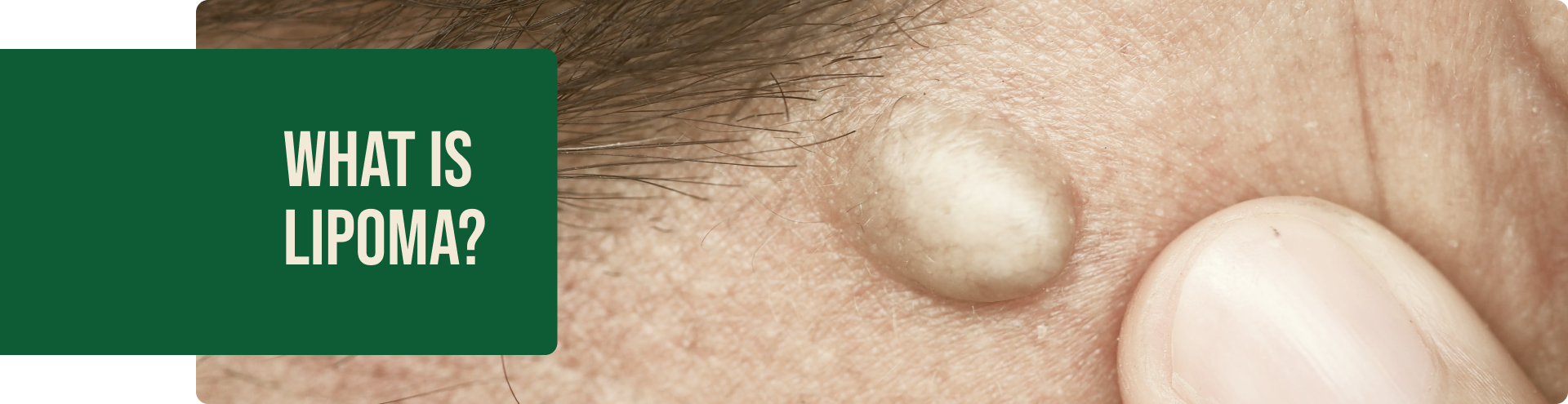
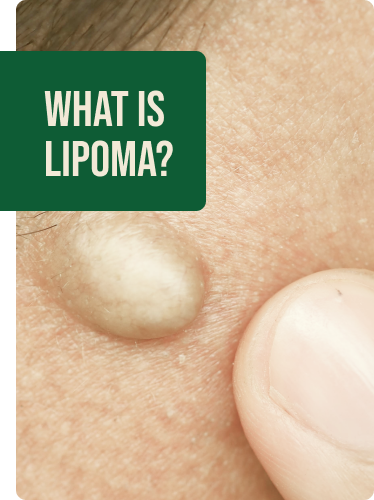
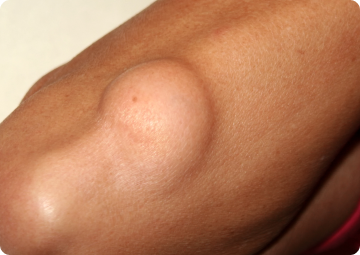
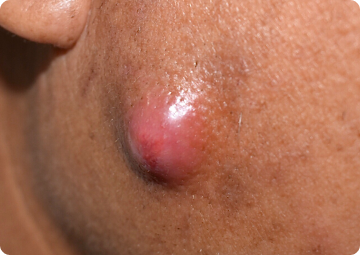
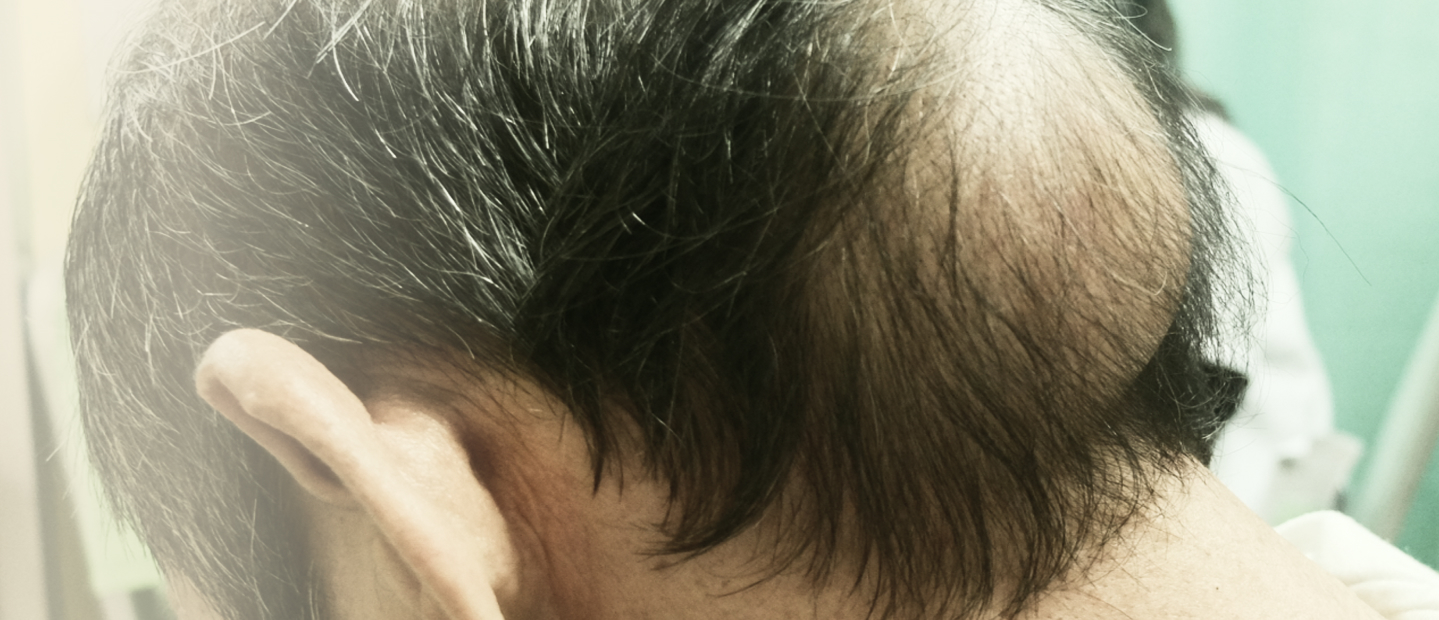
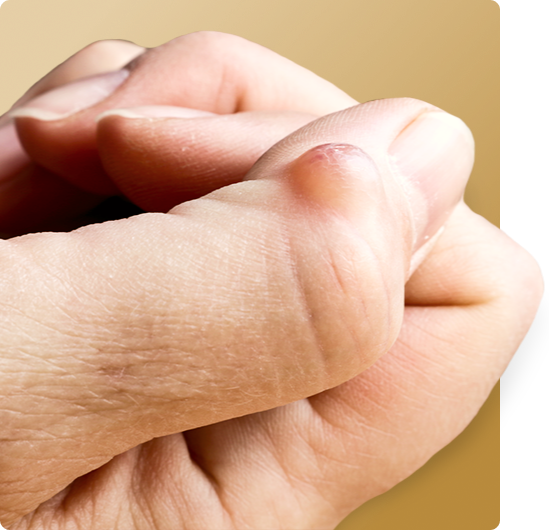
A lipoma is a benign (non-cancerous) lump made up of fatty tissue that grows just beneath the skin. It typically feels soft and moves easily when pressed. Lipomas are usually painless and slow-growing, ranging in size from small pea-sized lumps to larger masses. While they can develop anywhere on the body, they are most commonly found on the neck, shoulders, back, abdomen, arms, and thighs.
Types of lumps/ lipoma
Lipoma
Definition Benign (non-cancerous) fatty tissue growth under the skin.
Texture Soft, rubbery, and movable when pressed.
Growth Rate Slow-growing.
Common Locations Neck, shoulders, back, arms, thighs.
Symptoms Usually painless, but can cause discomfort if pressing on nerves or growing large.
Causes Exact cause unknown; may be hereditary.
Risk Non-cancerous and rarely turns malignant.
Size Can vary from pea-sized to several centimeters in diameter.
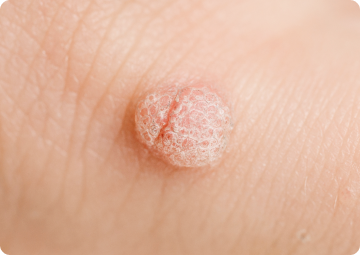
Cysts
Definition A closed sac or capsule-like structure filled with fluid, pus, or other material.
Texture Typically soft or firm, depending on the contents.
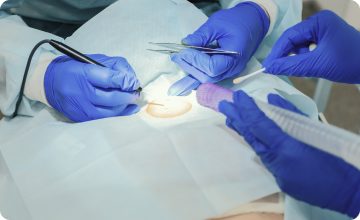
Excision: The most common treatment for lipomas. A doctor makes an incision to remove the lipoma completely. This option is effective for larger or symptomatic lipomas.
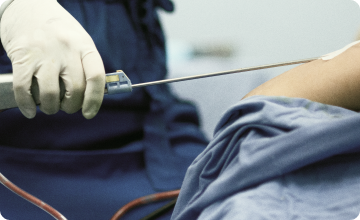
Liposuction
A less invasive option, liposuction uses a needle and suction to remove the fatty tissue. This option leaves a smaller scar but may not completely remove the lipoma, increasing the chances of recurrence.
Over-the-counter creams, home remedies, or ignoring the issue won’t make a lipoma disappear.
Only a proper medical approach ensures complete removal and long-term relief.
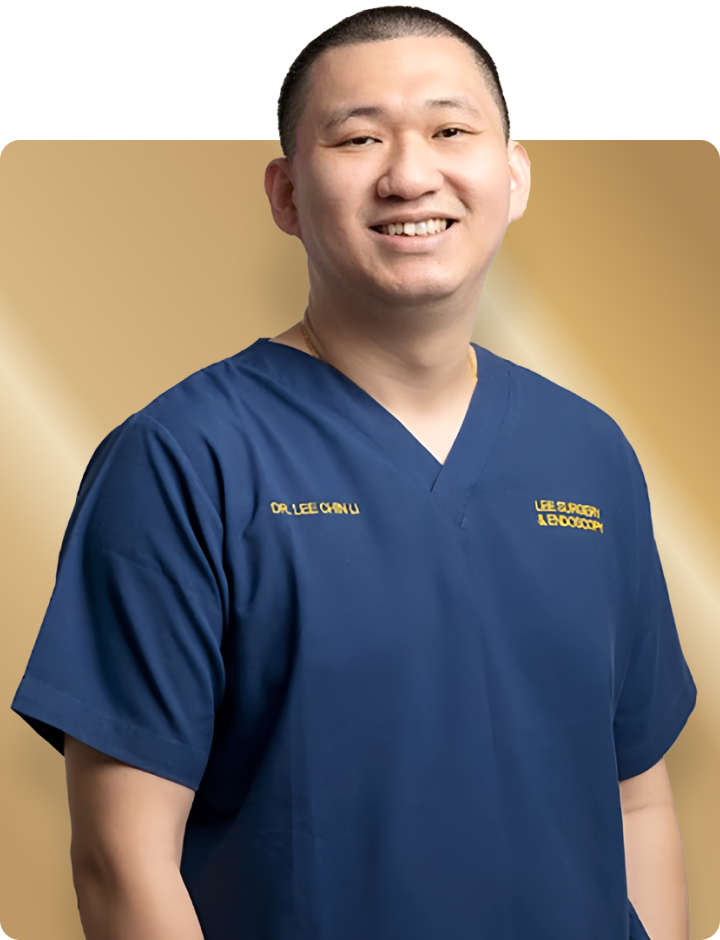
Director, Consultant & General Surgeon MB BCh BAO, LRCP & SI (NUI), IMRCS (Ire), MMED (SURG), FRCS (Ed)
Spoken languages
English | Mandarin | Bahasa/Melayu | Hokkien | Cantonese
Dr Lee’s precise surgical skills have helped numerous patients achieve relief from conditions like lipomas. His careful approach to minimally invasive removal techniques ensures both effectiveness and aesthetic results, allowing patients to return to their routines with confidence. Patients value his patient-focused care, as he tailors each treatment to minimise discomfort and optimise recovery.
20+ Years of Experience
Skilled in Lipoma Removal Procedures
insurance
Lee Surgery and Endoscopy was founded by Dr. Lee Chin Li, with the mission to deliver accessible and quality healthcare to our patients. We are committed to ensuring your comfort from consultation to procedures.
Any other questions?
Talk to us! Drop us a message here :
Gleneagles Medical CentreLee Surgery and Endoscopy 6 Napier Road, #04-16, Singapore 258499
Mount Elizabeth Medical Centre (Orchard)Dr Lee @ KYM Surgery3 Mount Elizabeth, #12-01, Singapore 228510
Farrer Park Medical CentreDr Lee @ KYM Surgery1 Farrer Park Station Road, #13-05, Singapore 217562