Specialist surgeon with over 20 years of experience
Over 8000+ successful surgeries
Proficient in early detection and minimising the progression of diseases
Employment of minimally Invasive Techniques
Prioritise conservative measures
Patient-centered care with bespoke aftercare
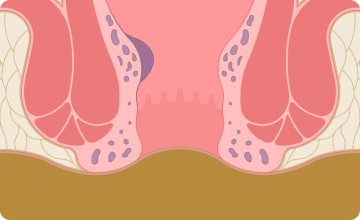
Haemorrhoids, also known as piles, are swollen and inflamed veins in the rectum and anus that can cause discomfort, pain, and bleeding. They are similar to varicose veins and can develop either internally (inside the rectum) or externally (under the skin around the anus).
Types of haemorrhoids/ pileS
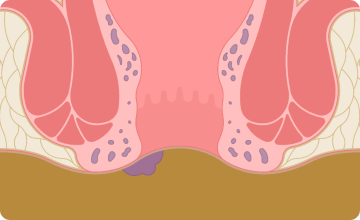
Internal
Internal haemorrhoids occur inside the rectum and typically do not cause pain as there are fewer pain-sensing nerves in the rectum.
Internal haemorrhoids usually do not cause any symptoms unless they prolapse. In fact, most patients with internal haemorrhoids might not even be aware that they have haemorrhoids.
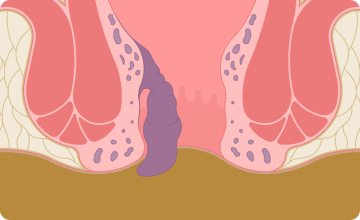
External
External haemorrhoids occur when the swollen veins develop under the skin at the anus. They can be more painful than internal haemorrhoids, as this area has more pain-sensing nerves.
May show the following symptoms:
Itching or irritation around the anus
Lumps near the anus
Swelling around the anus
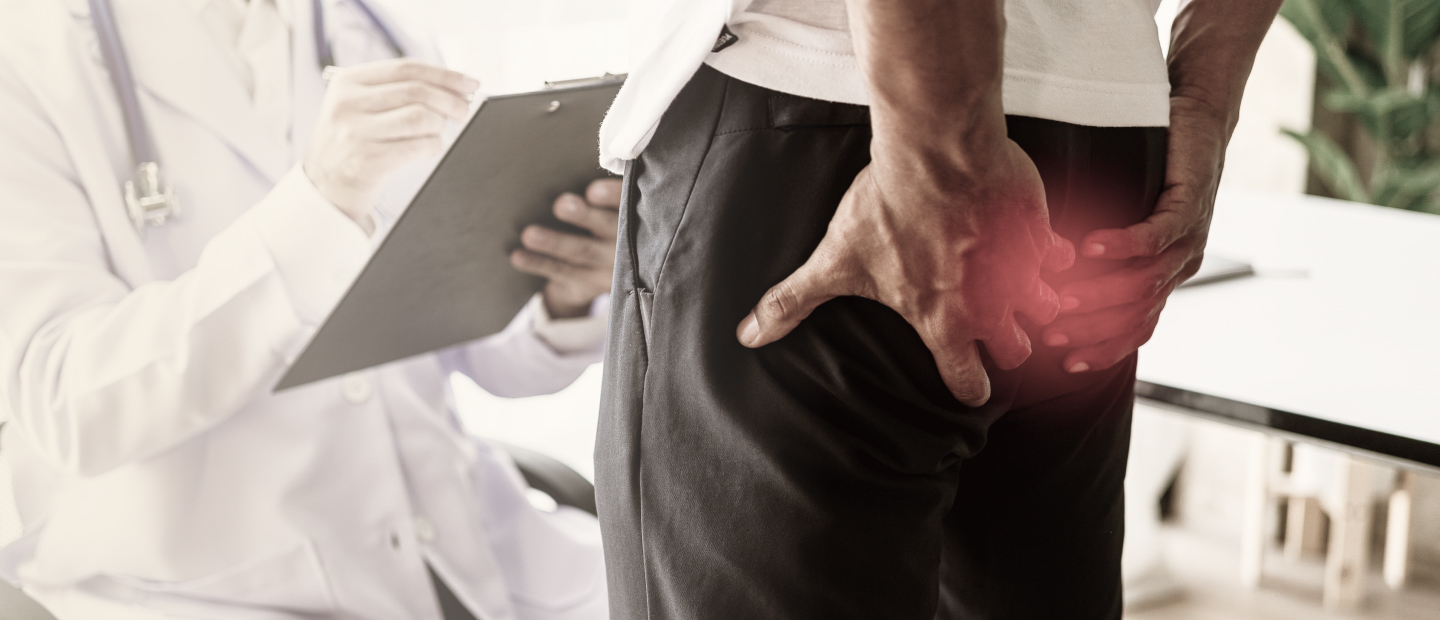
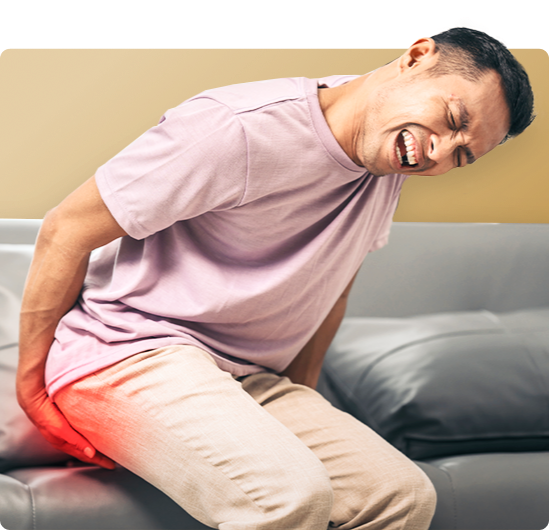
Pain or discomfort around the anus, particularly when sitting
Prolapsed
Prolapsed haemorrhoids occur when internal and external haemorrhoids grow beyond the anus, thus risking bleeding and causing pain.
May show the following symptoms:
A lump near the anus that is hard and discoloured
Inflammation
Severe pain and discomfort
Swelling
It starts with occasional irritation, but over time, the pain intensifies.
Haemorrhoids don’t just go away on their own—they can worsen, leading to severe pain and even more complications.
Haemorrhoids (piles) are caused by increased pressure in the veins of the rectum and anus, leading to swelling and inflammation. Common causes and contributing factors include:
Straining During Bowel Movements
Chronic Constipation or Diarrhea
Prolonged Sitting
Pregnancy
Obesity
Low-Fiber Diet
Heavy Lifting
Ageing
Genetics
How are haemorrhoids/piles diagnosed?
Digital rectal examination
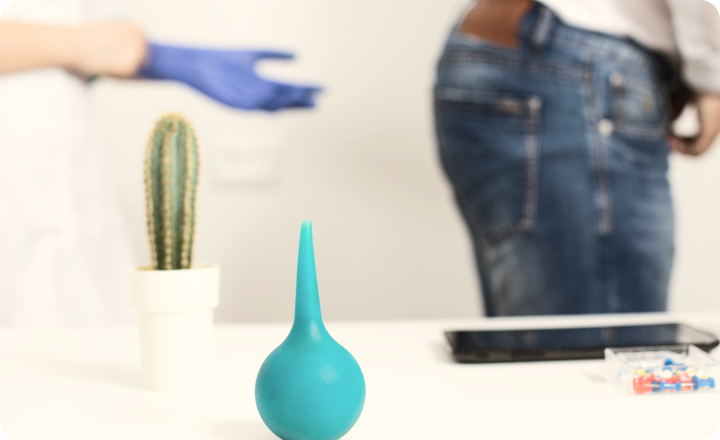
For internal hemorrhoids, the doctor may conduct a digital rectal examination. During this exam, they insert a gloved, lubricated finger into the rectum to feel for any swollen veins or abnormalities.
Anoscopy
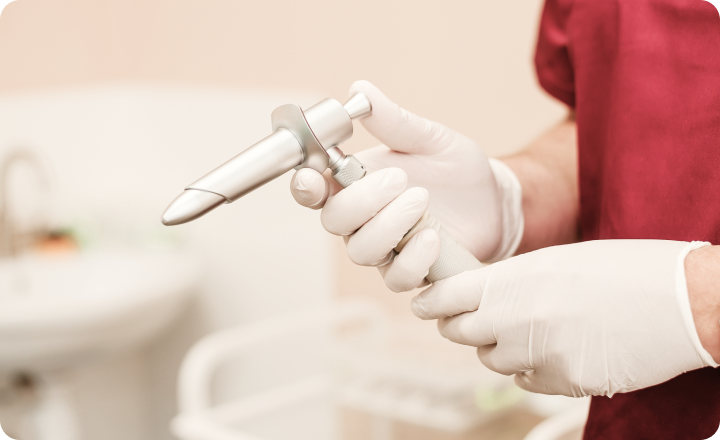
If internal hemorrhoids are suspected, the doctor may use an anoscope or proctoscope, small tubular instruments with a light, to inspect the inside of the rectum and anus more closely.
Sigmoidoscopy/Colonoscopy
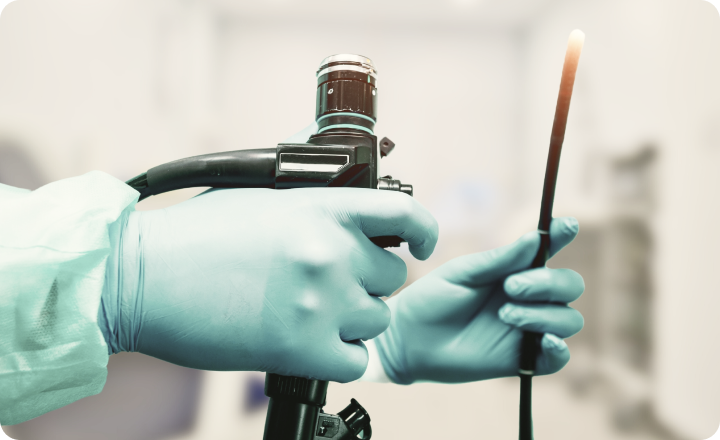
If there’s rectal bleeding or other concerns, a sigmoidoscopy or colonoscopy may be recommended to rule out other conditions like colorectal cancer or polyps.
Treatment options for haemorrhoids/piles
Rubber band litigation
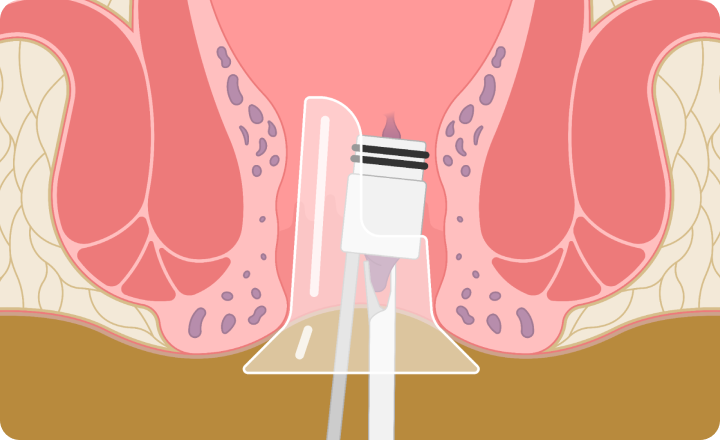
Rubber band ligation is recommended if prior treatments show no improvements. It is a bedside procedure in which a rubber band is placed around the haemorrhoids to cut off blood circulation to them. Suitable for small haemorrhoids.
Haemorrhoidectomy
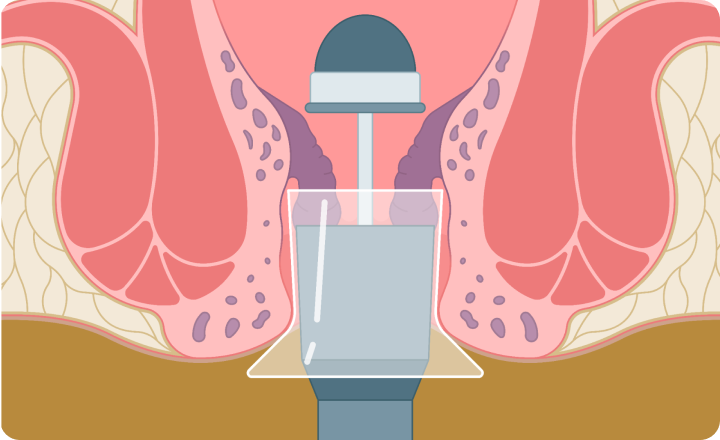
A haemorrhoidectomy is a surgical procedure that removes the haemorrhoidal tissue.
Sclerotherapy
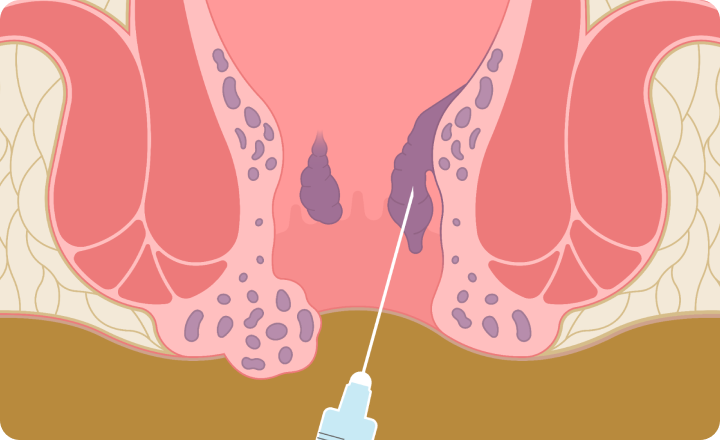
Sclerotherapy is a treatment option where a chemical solution is injected into the haemorrhoids to shrink them.
Over-the-counter creams or home remedies might offer temporary relief, but they don’t address the root of the problem.
Why settle for short-term fixes when a real, long-lasting solution is available?
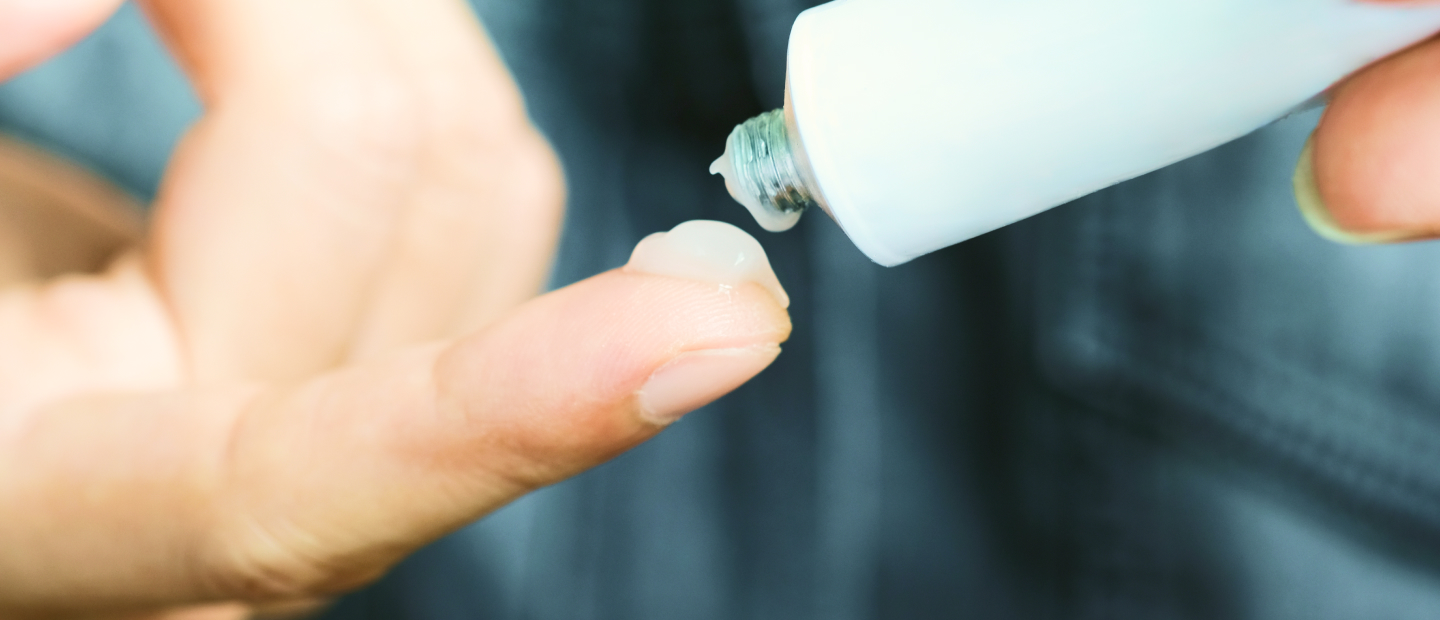
For mild haemorrhoids, oral medication and topical creams such as a haemorrhoid cream or a suppository that contains hydrocortisone are effective in treating them. However, the healing time for haemorrhoids varies depending on the severity of the condition and individual factors.
What complications can arise from haemorrhoids/piles?
Some complications of haemorrhoids or piles include bleeding, blood clots, inflammation (with pain), skin tags, and thrombosis of blood vessels in piles.
Can haemorrhoids/piles be prevented?
Yes, they can. Some preventive steps you can take include refraining from sitting too long on the toilet seat, drinking plenty of fluids throughout the day, eating more high-fibre foods, leading an active lifestyle, and taking laxatives to soften the stool.
Dr Lee Chin Li
Director, Consultant & General Surgeon MB BCh BAO, LRCP & SI (NUI), IMRCS (Ire), MMED (SURG), FRCS (Ed)
Spoken languages
English | Mandarin | Bahasa/Melayu | Hokkien | Cantonese
Dr Lee’s expertise in minimally invasive procedures has helped countless patients find relief from conditions like haemorrhoids. His keen precision during endoscopic and surgical interventions allows for swift, effective treatment, significantly improving his patients’ quality of life. Patients appreciate his patient-centred approach, as he prioritises comfort and rapid recovery, ensuring their well-being is at the core of every treatment plan.
20+ Years of Experience
8000+ Surgeries Done
insurance
Lee Surgery and Endoscopy was founded by Dr. Lee Chin Li, with the mission to deliver accessible and quality healthcare to our patients. We are committed to ensuring your comfort from consultation to procedures.
Any other questions?
Talk to us! Drop us a message here :
Gleneagles Medical CentreLee Surgery and Endoscopy 6 Napier Road, #04-16, Singapore 258499
Mount Elizabeth Medical Centre (Orchard)Dr Lee @ KYM Surgery3 Mount Elizabeth, #12-01, Singapore 228510
Farrer Park Medical CentreDr Lee @ KYM Surgery1 Farrer Park Station Road, #13-05, Singapore 217562